Leadership Training for local leaders
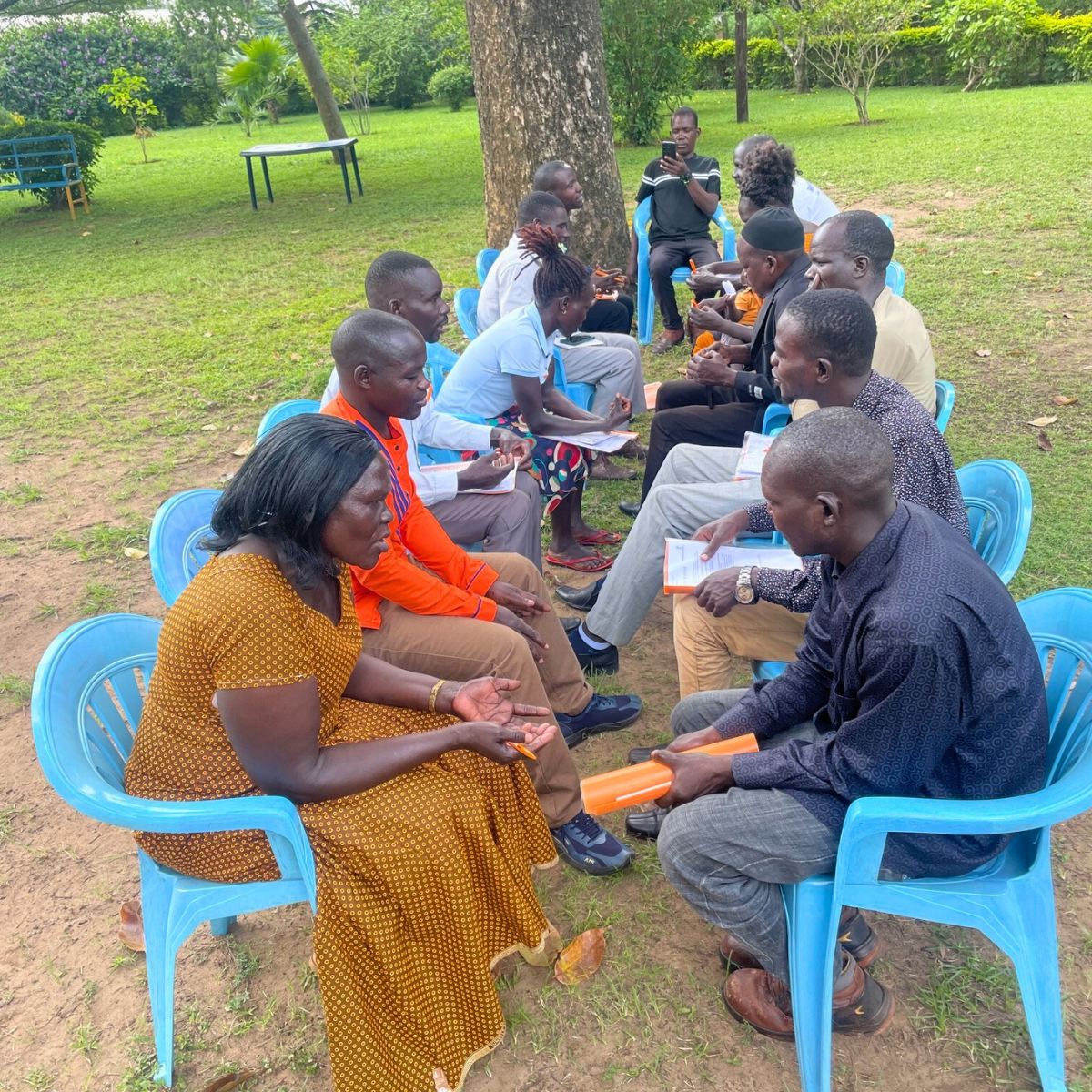
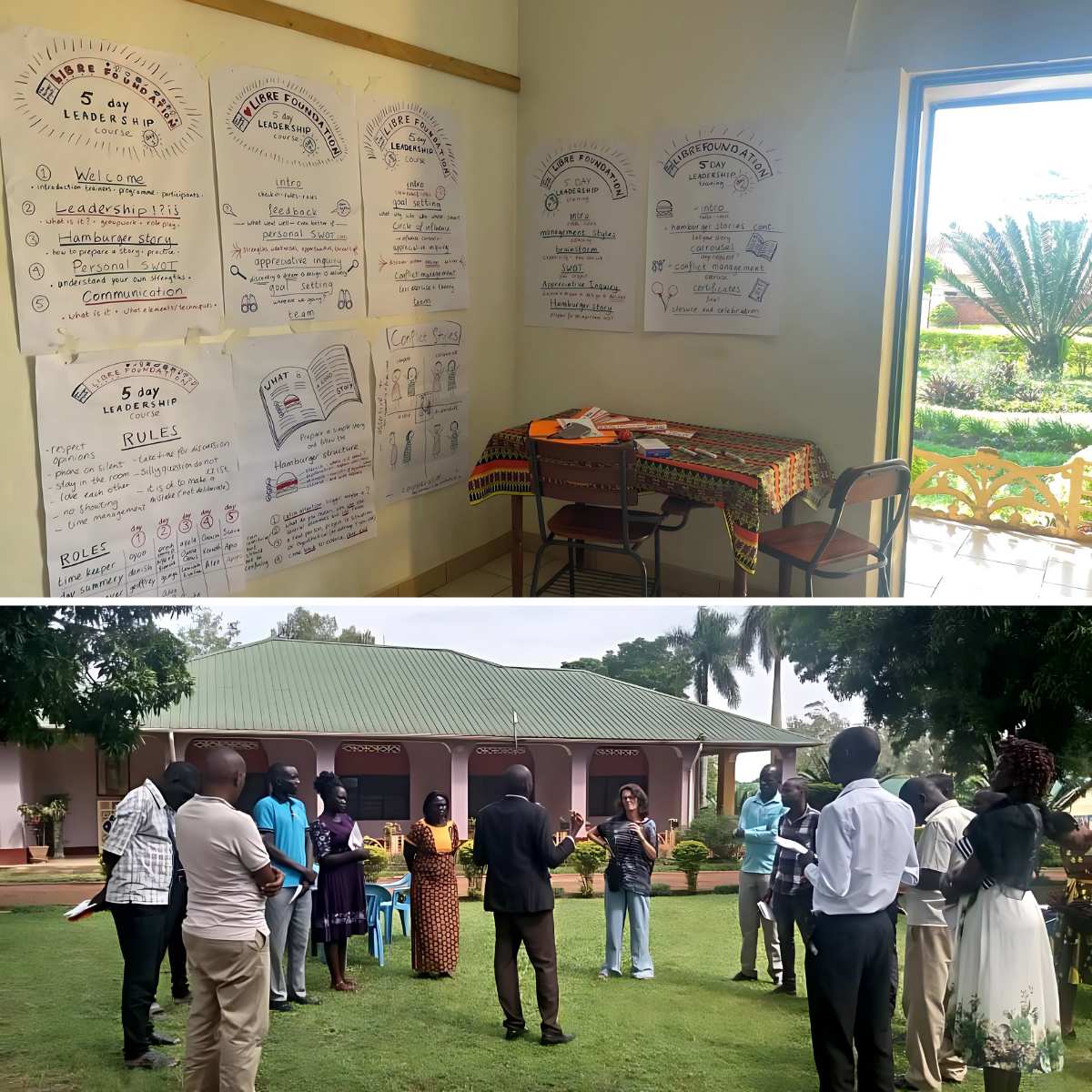
In Gulu, Uganda, seventeen CSO leaders recently came together for a leadership training. The group included, among others, chairpersons, secretaries, and lead animators of epicentre committees from the Amuru region. They all shared one goal: to work on their skills in leadership, communication, collaboration, and strategic thinking. And that’s exactly what happened. On behalf of the Libre Foundation, I worked with the participants using various perspectives and methods. We explored practical tools, with space for experimentation, action, and exchange. The participants’ own experiences and local context were always central to the process.

Practicing with helpful tools
A five-day training offers a wealth of opportunities. We not only had time to explore theories, but more importantly, to practice and try things out. For example, participants worked on giving constructive feedback and practiced how to convey a message clearly and with confidence.

As mentioned: five days provide great opportunities. So, we also explored how participants naturally react in conflict situations. They experienced team dynamics under pressure, and the importance of clear communication and role awareness during moments of conflict. A brainstorming session was also part of the program—not just to collect ideas, but to truly think creatively and go beyond the beaten path. We took time to dream big—even (far too) expensive or illegal ideas were welcome. This took some getting used to for a few participants, but it created space to think in new ways. It made the power of creativity tangible, as well as the importance of shared ownership and practical leadership.

Individual growth and greater engagement
Each participant contributed their own communication experience. Some had applied it regularly in their work, while others were just beginning to explore the options. The same was true for self-confidence. Some stood firmly in their shoes, while others found it challenging to speak up. What they all had in common, however, was their deep commitment to the development of their communities. That drive made them incredibly eager to learn: they were ready to embrace anything that could help them become stronger leaders for their region.

And when you see a group create a respectful and safe environment together, as a trainer you can only look back on the experience with warm feelings. At the end of the training, I shared a few recommendations for reinforcing what they had learned—such as continuing to use the WWW/EBI method to provide constructive feedback. But to be honest, I already saw this happening naturally within the group. Participants gave each other space, listened carefully, and weren’t afraid to speak up in a positive way.

What they built this week goes beyond knowledge or self-confidence. It’s a strong network of people who know, trust, and can help each other. That might just be the most valuable foundation for lasting change. And of course: they all went home with a certificate. Because yes, all seventeen participants successfully completed the training. Ber bedo!